
< img height="1" width="1" style="display:none" src="https://www.facebook.com/tr?id=1807235396579530&ev=PageView&noscript=1" />

Hot Products

ABXLED: Custom LED Display Screen Manufacturer & Supplier in China

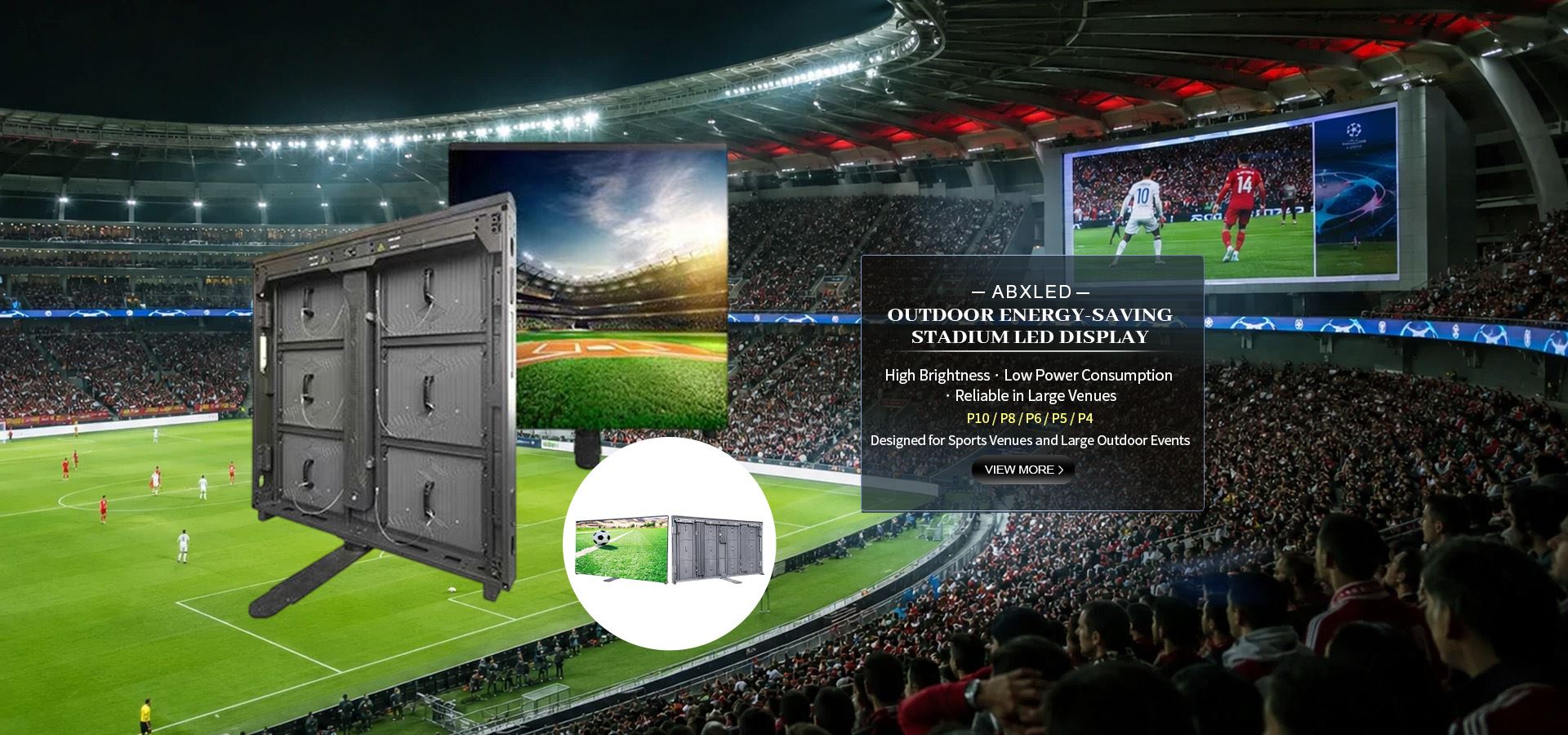
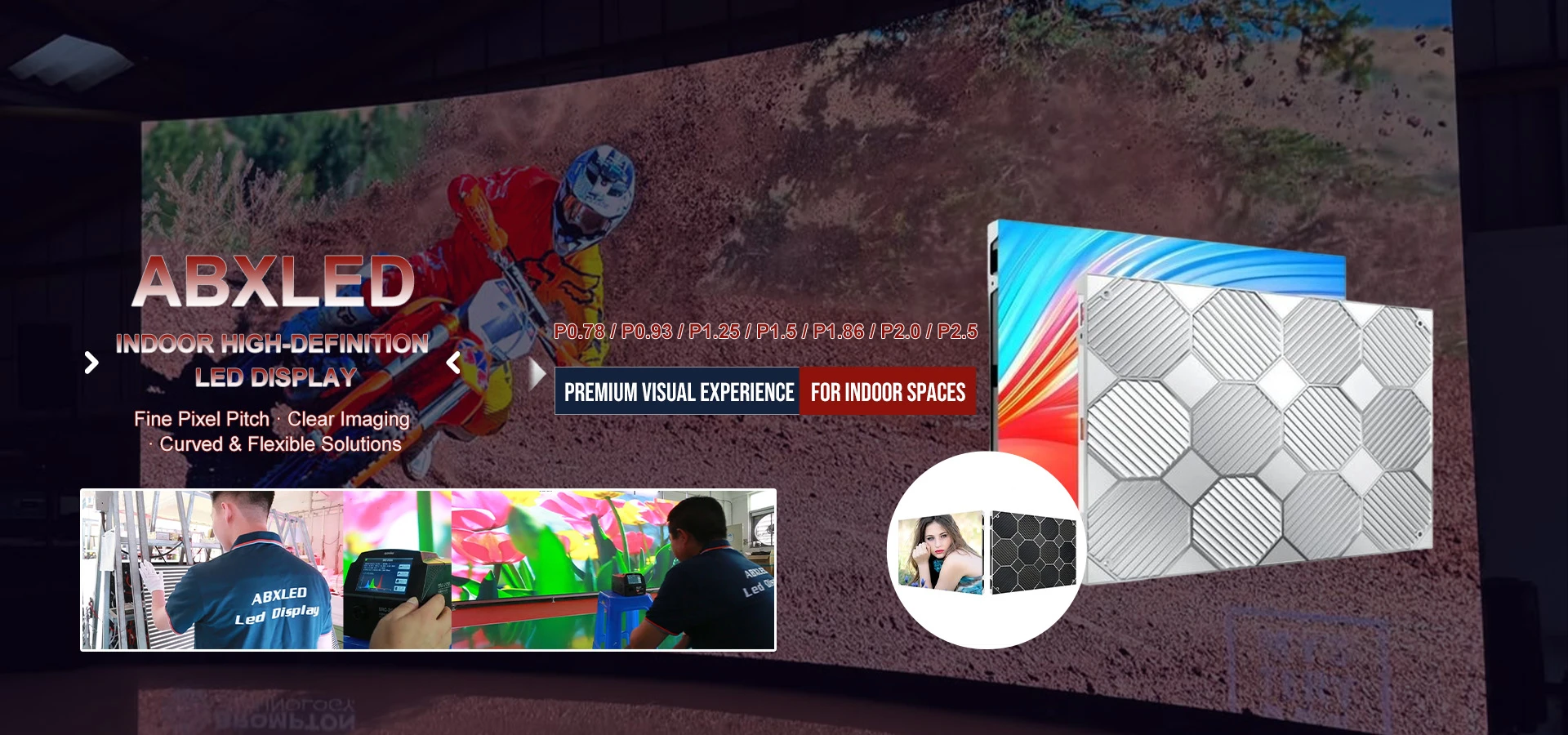
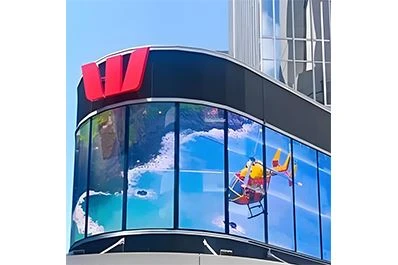
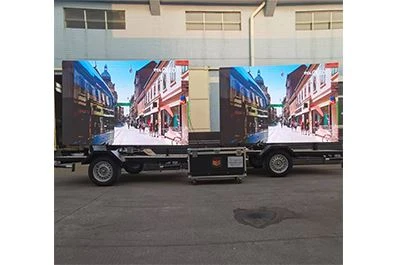
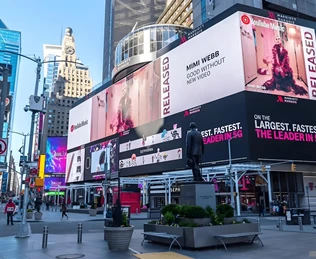
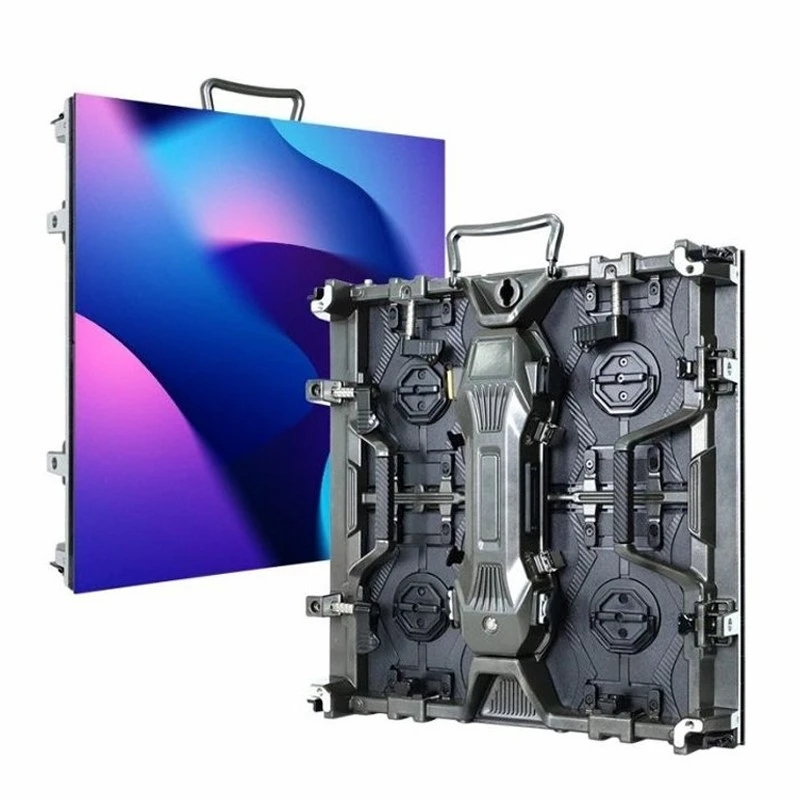
We specialize in a full range of LED displays, including indoor and outdoor rental LED screens, fixed installation LED displays, transparent LED screens, and stadium LED displays etc.

OEM & ODM Service

As one of China’s leading LED display manufacturers, ABXLED provides comprehensive OEM and ODM customization services. We recommend the most suitable LED display based on your installation location, screen size, and viewing distance, then tailor the solution to your specific needs — including printing your logo on the LED panels and packaging. Once the screen size and installation position are confirmed and the deposit is received, production will begin. We will offer timely feedback and professional suggestions according to your project requirements.

ODM

Provide your customized files, including confirmed logo size, design pattern, and packaging details.

OEM

We will create logo, pattern, and packaging design renderings based on your requirements for your confirmation. If you need a sample, an additional proofing fee will apply.

Production & Inspection

After confirmation, we will begin mass production. Third-party inspection before shipment is supported.

Shipping

Once production is completed, we will inform you to pay the remaining balance and arrange shipment promptly.

ABXLED Application Cases

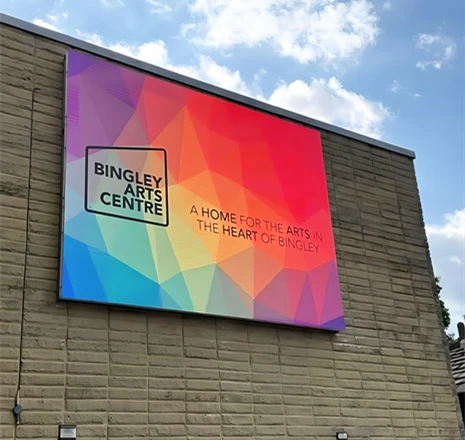
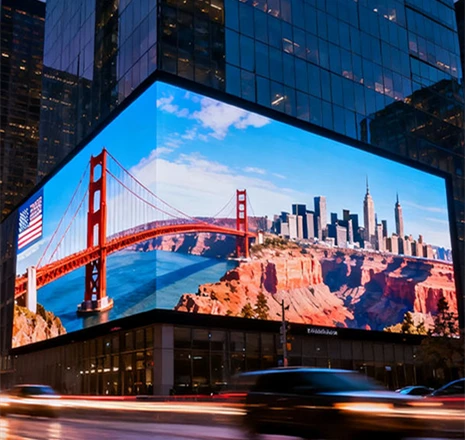
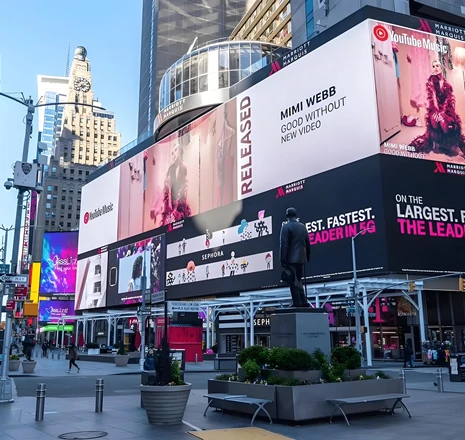
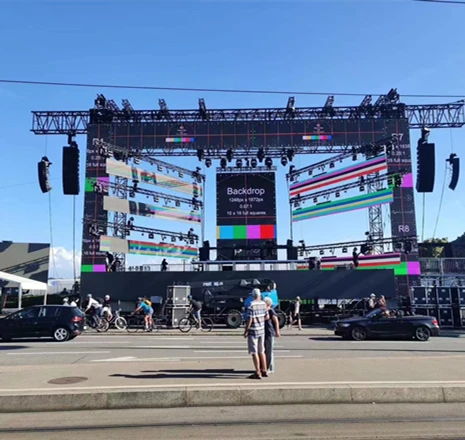
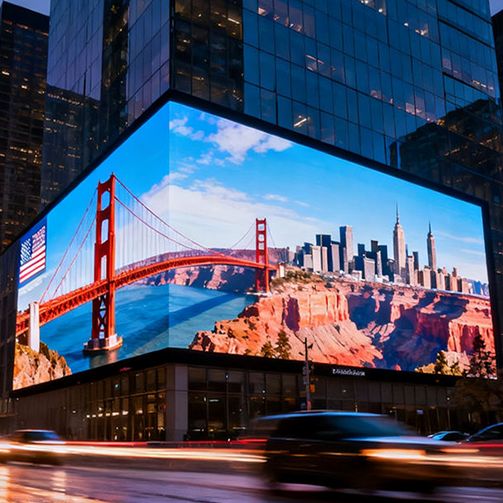
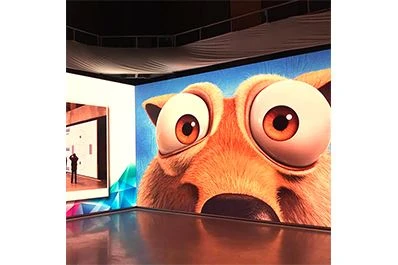
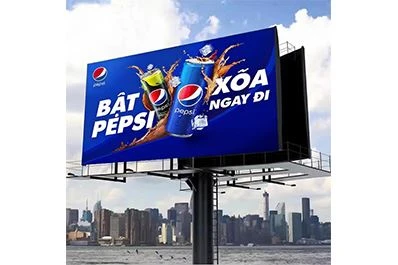
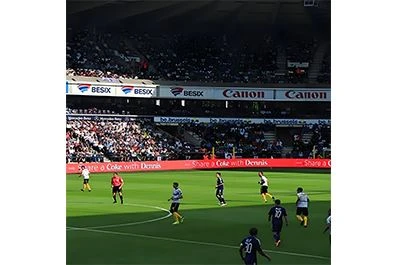
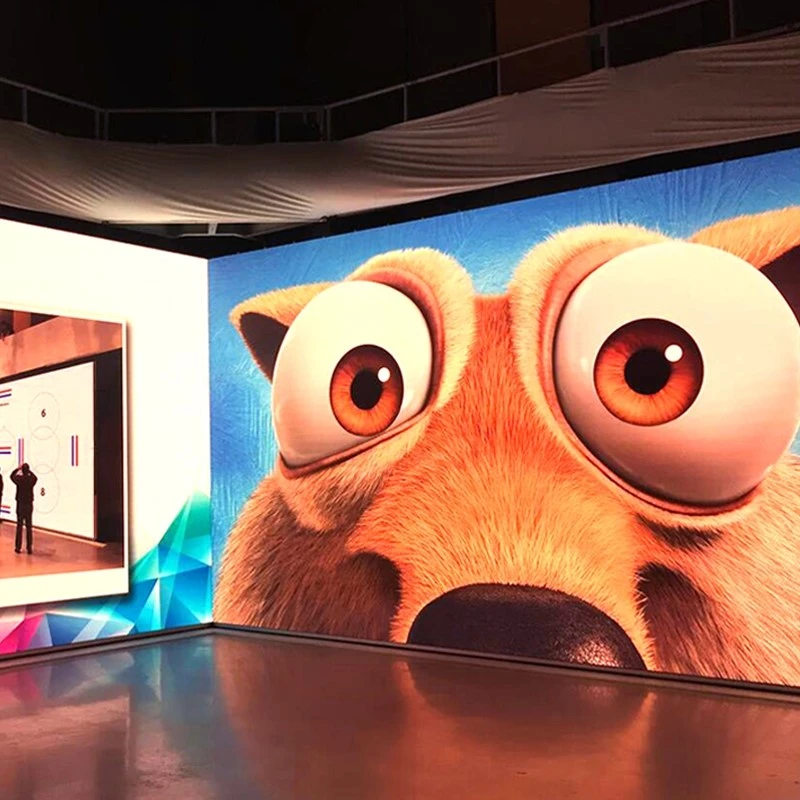
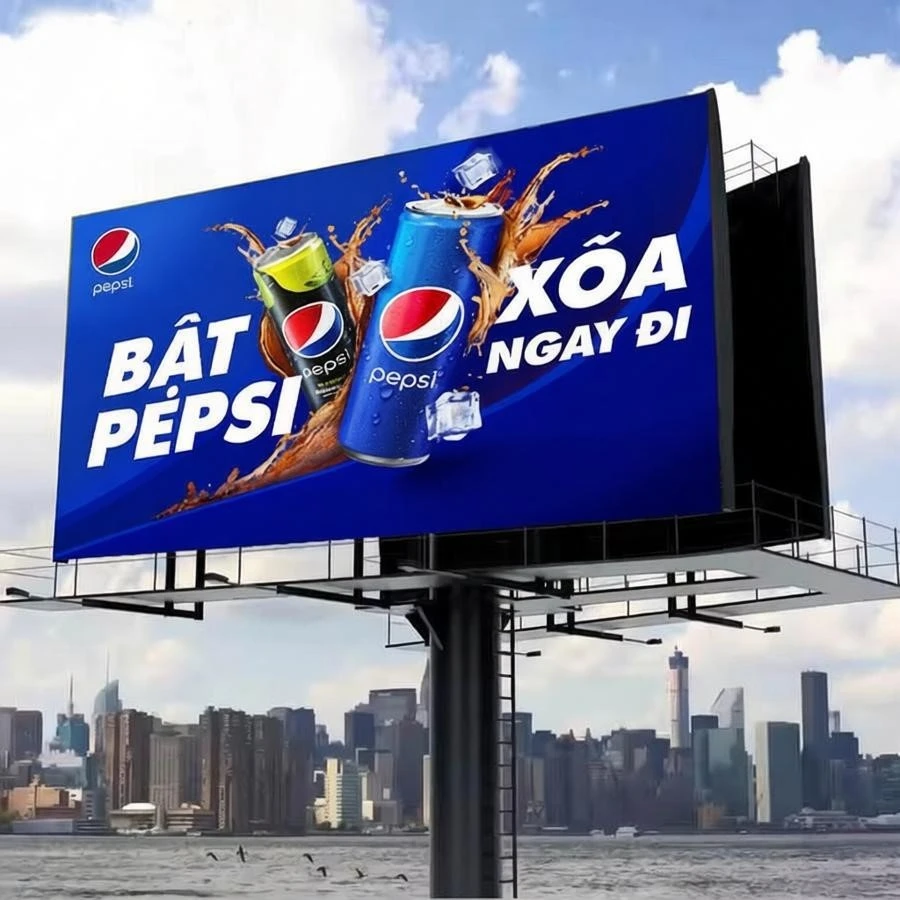
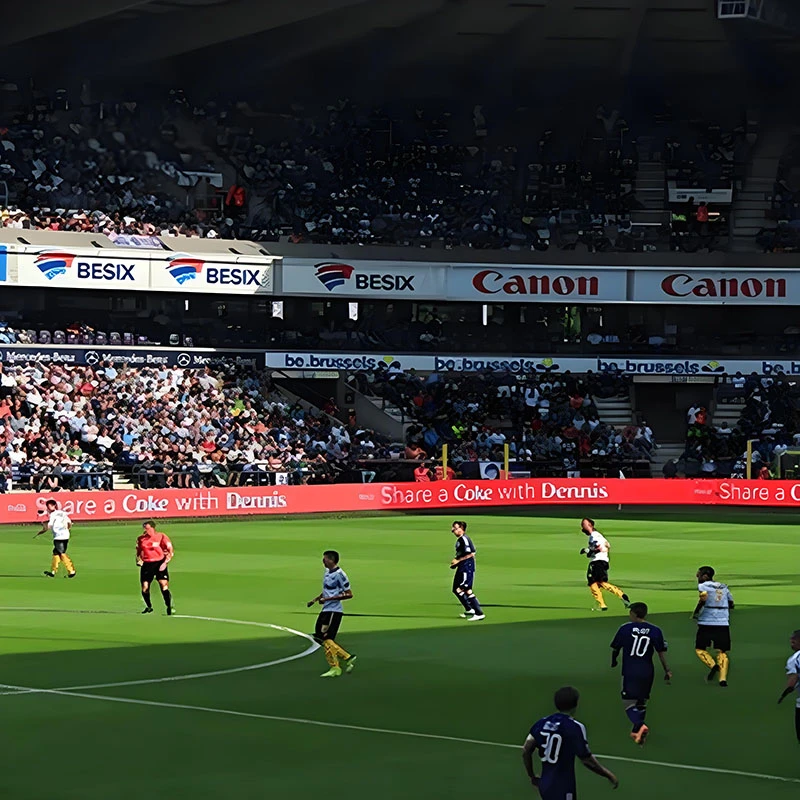
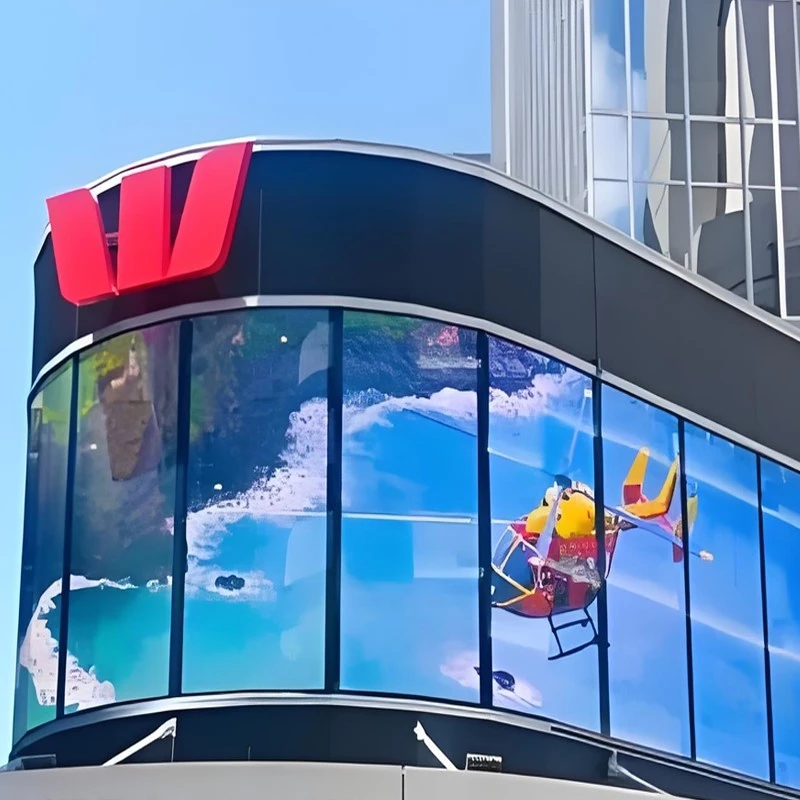
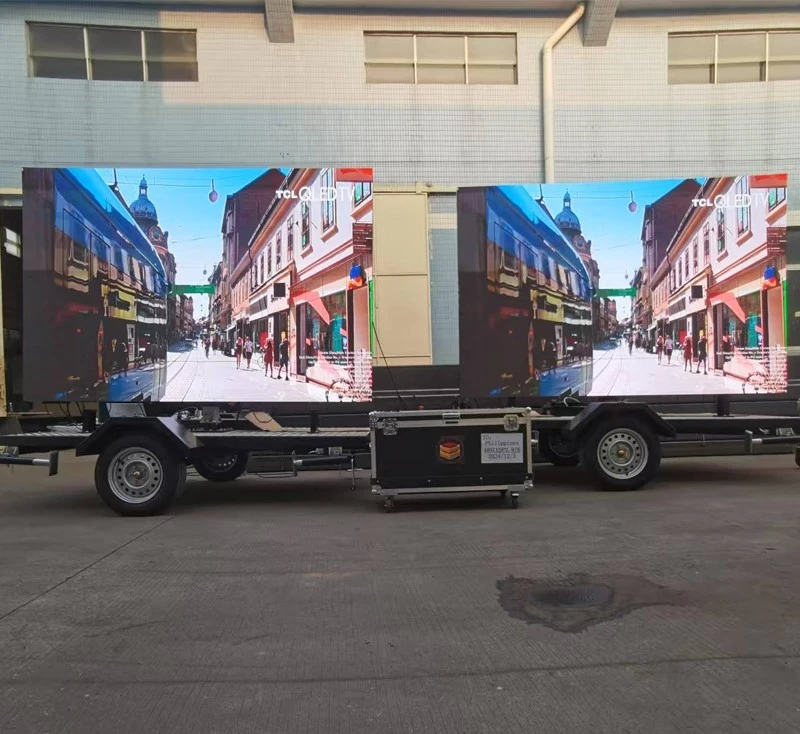
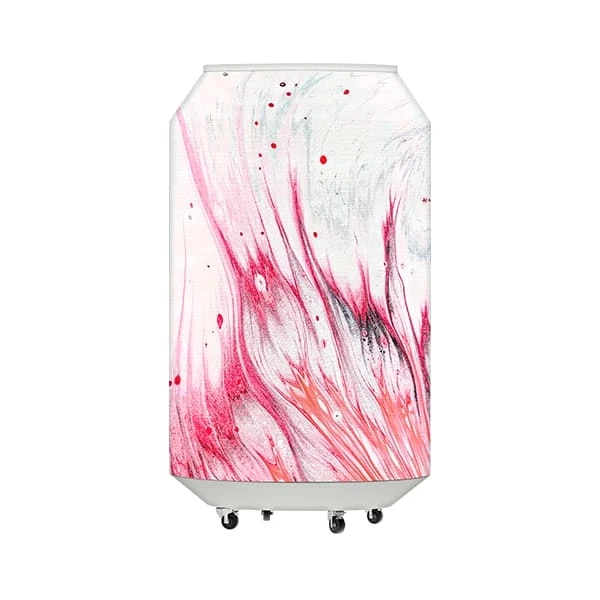
As a professional custom LED display manufacturer, ABXLED has successfully delivered numerous LED screen, display, and video wall projects for clients worldwide. We offer comprehensive, tailor-made LED display solutions for diverse applications — including stadiums, concerts, stage performances, conference rooms, airports, hotels, outdoor advertising, bars, churches, exhibitions, studios, and shopping centers.With rich industry experience and advanced technology, we help our clients create exceptional visual experiences and explore innovative display possibilities across various environments.

Why Choose ABXLED?

Engineering Excellence Meets Creative Vision

Engineering Excellence Meets Creative Vision

Global Implementation Expertise

Global Implementation Expertise

Complete Customization Capabilities

Complete Customization Capabilities

Cutting-Edge Manufacturing & Quality Assurance

Cutting-Edge Manufacturing & Quality Assurance

Partnership Beyond Purchase

Partnership Beyond Purchase

Proven Across Industries

Proven Across Industries

About ABXLED

At ABXLED, we transform visionary concepts into extraordinary visual realities. As a leading global LED display manufacturer, we specialize in engineering bespoke display solutions for the world’s most demanding projects — from major sporting events and iconic brand installations to cutting-edge stage productions and immersive retail experiences.

Our philosophy is simple: your vision inspires our innovation. When you partner with ABXING LED, our expert engineering team becomes an extension of your creative force — crafting tailored visual solutions that transcend traditional boundaries. Whether it’s a sweeping curved video wall redefining a corporate lobby, a transparent LED display illuminating a flagship store, or a durable rental system powering a world tour, we deliver precision, creativity, and performance at every scale.

News

Wireless control for outdoor LED screens sounds like a dream until you try it. You skip the cable runs, you skip the trench digging, you skip the whole mess of physical connections — and then the signal drops every time someone walks by with a phone. Wireless works for outdoor LED. But only if you debug it properly from the start. Most people skip the debugging phase and end up blaming the hardware when it is actually a configuration problem. 

You install a beautiful outdoor LED wall. The content looks great on your monitor. Then you power it up and see it — that ugly vertical line running down the middle where one panel looks green and the next one looks pink. Color mismatch between LED panels is the single most common complaint from outdoor screen operators. It makes the whole installation look cheap, no matter how expensive the hardware is. Fixing it is not hard. But you have to do it right, or you will be chasing ghost colors forever. 

Not every outdoor LED installation needs a sync system. Sometimes you have screens in different locations, different sizes, different resolutions, and they just need to run independently. That is async control — each screen does its own thing, on its own schedule, with no master clock tying them together. It sounds messy. But when done right, it gives you more flexibility than sync ever could. 

Getting content from your playback computer to an outdoor LED wall that sits 100 meters away — or across an entire city — is not just about plugging in a cable. Signal degradation, latency, interference, and weather all conspire to turn a clean video feed into a glitchy mess by the time it reaches the screen. The transmission method you choose and how you configure it determines whether your content arrives intact or arrives broken. 

Scrolling text on an outdoor LED screen sounds simple. Type it, set it to move, done. But if you have ever stood in front of a billboard and watched text crawl across so slowly it feels like torture — or so fast you cannot read a single word — you know this is not as straightforward as it seems. The speed, direction, font size, and timing all need to be dialed in for the actual viewing environment. 

Running multiple outdoor LED panels as one unified display sounds simple in theory. In practice, it is a constant battle against latency, signal drift, and cables that decide to fail at the worst possible moment. A sync control system is what holds it all together — but only if you set it up correctly and actually understand what it is doing under the hood. 

Running an outdoor LED display isn't just about turning it on and hoping for the best. How you configure your screen — whether full-screen video, split zones, or ticker text — directly impacts how your content lands with viewers passing by. Getting this right saves you headaches down the road. 

Getting a video to look sharp on an outdoor LED wall is not the same as watching it on a monitor. The pixel pitch, brightness curve, color temperature shift under sunlight, and refresh rate all conspire against you. If your footage looks washed out, stuttery, or crooked on site, it is almost always a calibration problem — not a content problem. 

The sun does not care that your LED screen cost a fortune. It hits the enclosure at full intensity for eight to twelve hours a day, every day, and it does not stop because you have a deadline. The surface temperature of a black aluminum cabinet sitting in direct sunlight at noon can climb past 80 degrees Celsius.  

Every outdoor LED screen leaves the factory with a default power schedule. That default is useless. It was set for the factory test bench, not for a screen mounted on a building facade facing east, or a freestanding pole in a shopping center parking lot that needs to come on at six in the morning and shut off at eleven at night. The default schedule does not account for ambient light, sunrise times, sunset times, or the fact that the client wants the screen dimmer after ten PM because it faces a residential zone. 

Water gets into every outdoor LED cabinet. That is not a design flaw. That is physics. Condensation forms inside when the temperature drops at night. Rain gets driven behind the flashing during storms. Cleaning crews spray water near the seams. The question is not whether water enters. The question is whether it gets out. If it does not, it sits against the receiving cards, the power supplies, and the connector pins until corrosion does what years of sunlight could not — kill the screen from the inside. 

Installing an LED module sounds simple. You pick it up, you snap it into the cabinet frame, you move on. That is how it works in theory. In practice, modules stick, pins bend, clips break, and the whole cabinet turns into a puzzle you did not sign up for. The snap-lock mechanism is the connection point between the module and the cabinet, and it is the most repeated action on any outdoor LED installation. Get it wrong once and you waste ten minutes. Get it wrong fifty times and you lose an entire day. 

Salt air does not rust things overnight. It eats them slowly, invisibly, and from the inside out. A steel bracket that looks fine in January can be structurally compromised by December if it sits within five kilometers of the coast. For outdoor LED screens in coastal environments, material selection is not a specification detail. It is the entire difference between a ten-year installation and a three-year replacement cycle. 

Falling from a scaffold is not a statistic until it happens to you. Then it is the only thing that matters. Outdoor LED screens mounted above ten meters — on building facades, stadium arches, freestanding towers — carry a risk profile that most project managers underestimate until someone gets hurt. The work itself is not complicated. The danger comes from complacency, from skipping steps because the weather looks fine, from assuming that because you did it a hundred times at ground level, doing it at thirty meters is just the same thing but higher. It is not. 

Most people look at an outdoor LED screen and see color, brightness, motion. They do not see the silent war happening inside every cabinet — a war against heat. Every pixel that lights up is also a tiny heater. With only about 20 percent of electrical energy converting to actual light, the remaining 80 percent becomes thermal energy trapped inside a sealed aluminum box bolted to a wall in direct sunlight. That heat does not just sit there. It climbs. It accumulates. And when the junction temperature of an LED chip rises just 10 degrees Celsius above its design point, the operational lifespan gets cut in half. This is not a warning label. This is physics. 

Honor Certificate

ABXLED is a professional led display manufacturer, who is integrated in R&D, manufacture, marketing and after-sale service.