Optimizing Energy Efficiency in LED Displays: A Complete Guide for Businesses
Date: 2025-12-27 Categories: LED Display University Hits: 1039
Have you ever wondered why some large LED screens, like those in shopping malls or on concert stages, run for hours with manageable electricity costs, while others lead to surprisingly high bills? The answer lies in advanced energy efficiency design and power-saving technology built into modern LED displays.
Table of Contents
How Do LED Displays Work?
Why Are LED Displays More Energy-Efficient?
How Do Brightness and Contrast Impact Energy Efficiency?
Direct Backlight vs. Edge Backlight: Which Is More Efficient?
Using Intelligent Adjustment to Boost Energy Savings
Long-Term Energy-Saving Benefits of LED Displays
Key Energy Efficiency Standards and Certifications
Conclusion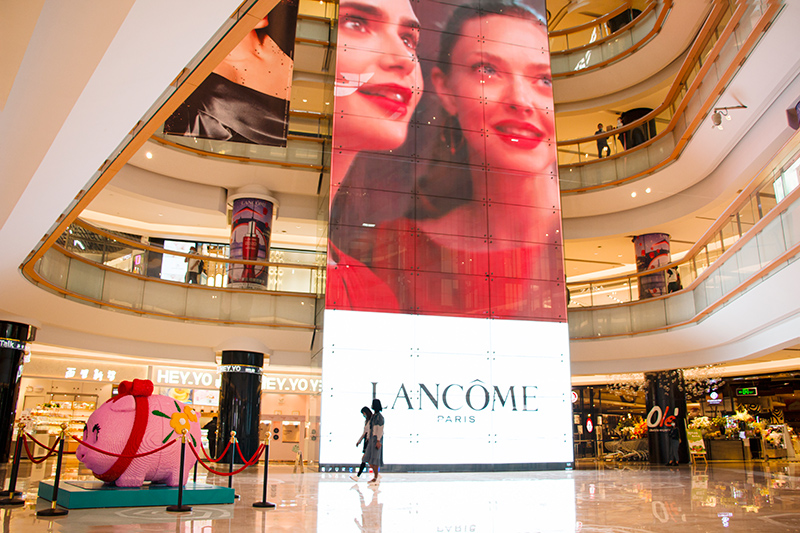
1. How Do LED Displays Work?
An LED display consists of thousands of tiny LED beads, each containing red, green, and blue diodes. By adjusting their brightness, these diodes mix to produce a full spectrum of colors. The screen is built from LED modules, assembled much like building blocks.
When a signal is received, the control system directs each LED on its intensity and color. Through rapid switching, the LEDs form a seamless image. Because LEDs are self-emissive, each can be controlled independently, enabling high brightness, excellent contrast, and sharp dynamic images—even in sunlight.
Unlike traditional LCD screens that require a constant backlight, LED technology only lights the necessary areas, drastically improving energy efficiency. LEDs also deliver vibrant colors, deeper blacks, brighter whites, and a longer lifespan, often exceeding tens of thousands of hours. Their modular design allows easy maintenance: if one module fails, it can be replaced without shutting down the entire display.
2. Why Are LED Displays More Energy-Efficient?
LED display energy efficiency stems from low power consumption and precise control. Each LED can be turned on or off individually, lighting only required sections. In contrast, LCD screens keep the entire backlit panel active even when displaying dark content, wasting significant energy.
LEDs also offer superior photoelectric conversion efficiency. This means that, per watt of power, LED screens produce brighter images than LCD or OLED alternatives—making them ideal for outdoor LED screens, stage LED displays, and advertising billboards.
Although OLED displays also offer per-pixel lighting, they are less practical for large-format, long-duration use due to higher costs, significant energy use at high brightness, and shorter lifespan. For enduring, large-area installations—such as shopping mall advertising screens, outdoor billboards, conference room displays, or concert stage screens—LEDs provide better energy savings and durability.
These efficiencies translate into lower electricity bills and reduced operating costs. Combined with modular maintenance, the total cost of ownership is considerably lower than with conventional displays.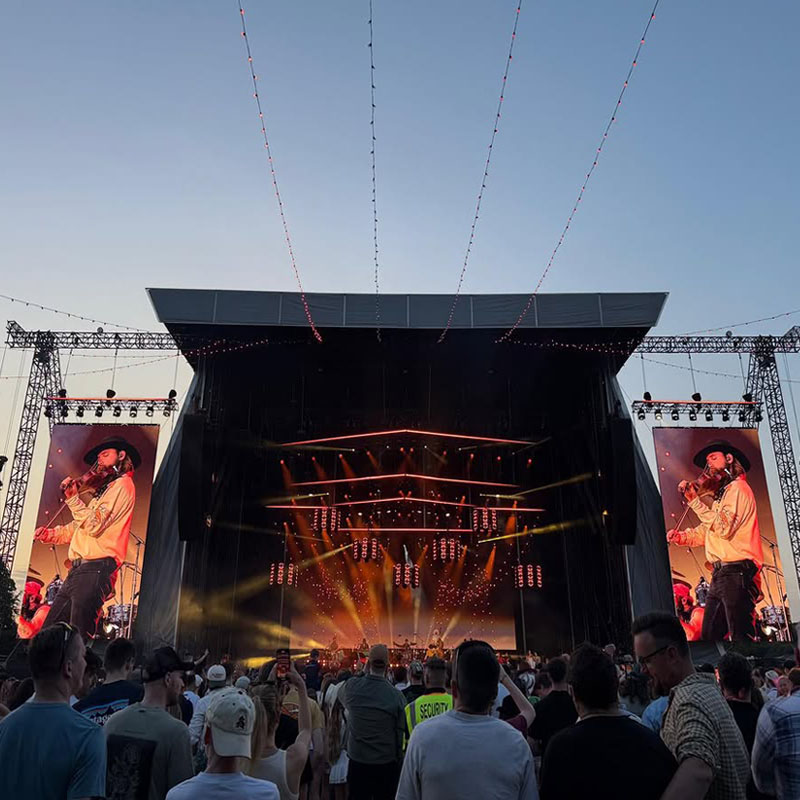
3. How Do Brightness and Contrast Affect the Energy Efficiency of LED Displays?
Brightness and contrast directly influence both image quality and power consumption. Higher brightness demands more energy, but insufficient brightness hampers visibility in well-lit environments.
Modern LED display solutions often include automatic brightness adjustment, which responds to ambient light conditions. In bright daylight, the screen increases brightness for clarity; at night or indoors, it dims to save energy and reduce eye strain.
High contrast ratios also aid efficiency. Deep blacks allow LEDs in dark areas to turn off partially or completely, conserving power. When showing text, charts, or dark-background content, only the bright elements draw full power.
To balance visibility and efficiency:
Use automatic brightness adjustment.
Implement local dimming control to light only active areas.
Optimize contrast settings for clarity without excess energy use.
These approaches ensure excellent visibility in sunlight while maintaining high energy efficiency.
4. What Is the Energy Efficiency Difference Between Direct Backlighting and Edge Backlighting?
The backlighting method significantly impacts energy efficiency and performance in LED displays.
Direct backlighting (Direct LED) places LED chips evenly behind the screen, delivering uniform brightness, high contrast, and minimal light loss. This makes it highly efficient for large-format LED screens and outdoor LED displays that require consistent high brightness.
Edge backlighting (Edge LED) positions LEDs along the screen’s edges, using a light guide panel to spread illumination. While this allows for thinner, more cost-effective displays, it involves greater light loss and often requires higher-power LEDs to maintain brightness—especially in larger screens. Thus, edge-lit displays generally consume more energy in high-brightness applications compared to direct-lit solutions.
For applications prioritizing high brightness, uniformity, and lower energy consumption, direct backlighting is recommended. Edge backlighting may suit thinner, indoor displays where ultra-slim design is a priority over maximum efficiency.
5. How Does Intelligent Adjustment Help Improve the Energy Efficiency of LED Displays?
Intelligent adjustment systems act as a “brain” for LED displays, enabling smarter energy use. The core technology is automatic brightness control, which adjusts screen intensity based on real-time ambient light sensing.
Many advanced LED video walls and digital signage displays also incorporate environmental sensors that continuously monitor lighting conditions and fine-tune brightness and contrast accordingly. In dim settings, the screen reduces output; in bright surroundings, it boosts visibility.
This dynamic adjustment ensures optimal visibility while cutting energy consumption, extending screen lifespan, and reducing operational costs. Essentially, intelligent LED systems “light up only what’s needed,” delivering brilliant imagery with minimal power waste.
6. How Are the Long-Term Energy-Saving Effects of LED Displays Manifested?
The energy-saving benefits of LED display technology grow more pronounced over time. High-efficiency LED chips, combined with intelligent brightness control and adaptive sensing, enable sustained power savings.
For applications such as shopping mall advertising screens, outdoor digital billboards, and stage LED panels that operate daily for extended periods, these savings accumulate substantially. Additionally, by avoiding constant full-power operation, the screens experience less thermal stress, which extends product lifespan and reduces failure rates.
Long-term, this means not only lower electricity costs but also decreased maintenance needs and total cost of ownership. Investing in an energy-efficient LED display solution pays off through enduring performance and reliability.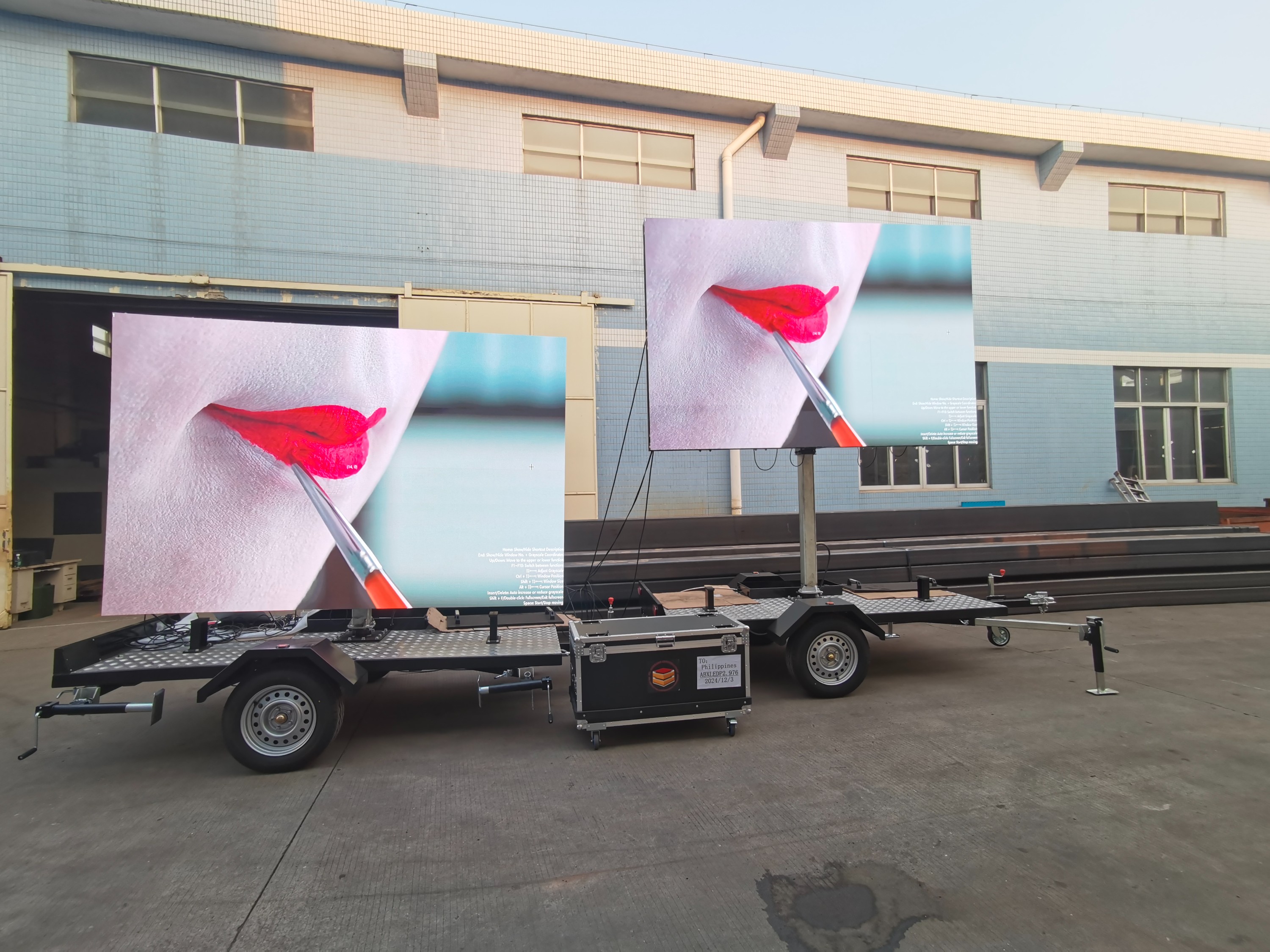
7. What Are the Standards and Certifications for LED Display Energy Efficiency?
When selecting an energy-efficient LED display, verify relevant energy certifications, which serve as proof of compliance with international efficiency and environmental standards.
Key certifications include:
Energy Star: Indicates the product meets strict U.S. energy performance criteria.
RoHS (Restriction of Hazardous Substances): Ensures environmentally friendly materials, indirectly supporting energy-efficient production.
CE & UL Marks: While focused on safety, they often encompass energy-related performance benchmarks.
Choosing certified LED displays helps guarantee lower power consumption, reduced operational expenses, and greater long-term reliability. These certifications act as a useful guide for selecting genuinely efficient and sustainable LED screen products.
8. Conclusion
The energy efficiency of LED displays is achieved through a combination of advanced technology: self-emissive LEDs, intelligent brightness control, efficient backlight design, and adherence to international energy standards. These features ensure not only impressive visual performance—with high brightness, superior contrast, and vibrant colors—but also significant power savings and extended durability.
Understanding these factors allows you to choose an LED display solution that reduces operating costs, minimizes environmental impact, and delivers lasting value. For more information on energy-saving LED displays for advertising, stage events, retail signage, or corporate installations, feel free to contact ABXLED—your partner in innovative LED screen technology.
Ready to explore energy-efficient LED display solutions?
Contact ABXLED today for expert advice and cutting-edge LED display products tailored to your needs.