
Advantages of LED Displays in Live Events
Date: 2026-01-31 Categories: LED Display University Hits: 614
When it comes to live events—whether it’s a large-scale concert, a high-stakes sports game, a corporate conference, or an outdoor festival—visual equipment can make or break the audience experience. In recent years, LED displays for live events have steadily replaced traditional options like projectors and LCD screens, becoming the go-to choice for event organizers and production teams. The reason is simple: LED displays’ unique combination of versatility, performance, and practicality aligns perfectly with the unpredictable, high-demand nature of live events. Below, we’ll walk through the key advantages that make LED displays indispensable for modern live productions, focusing on real-world use cases that matter to event professionals working with live event LED displays.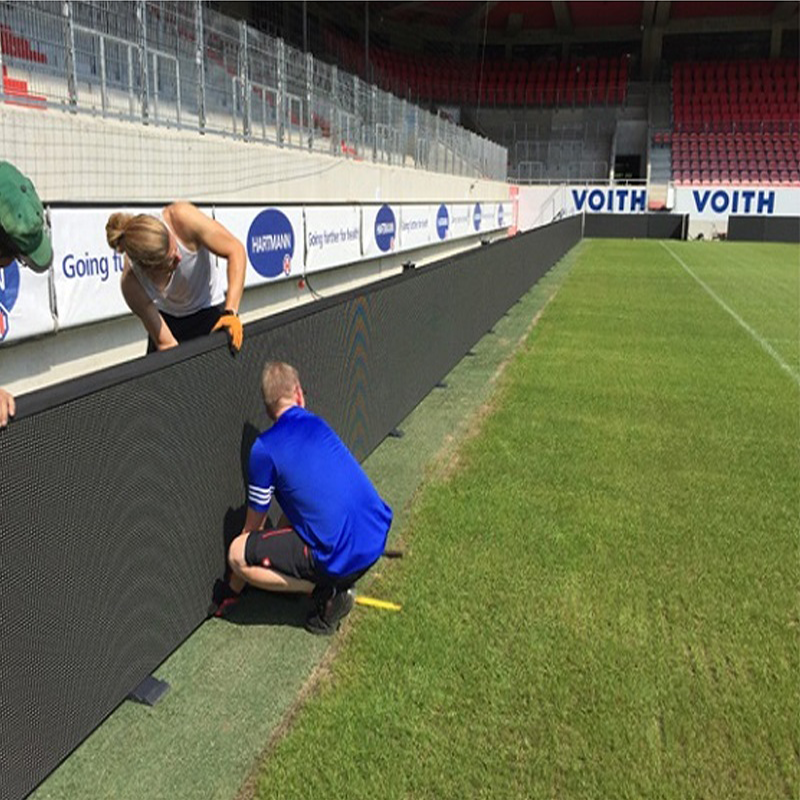
First and foremost, LED displays for live events excel in outdoor and variable venue environments—something projectors simply can’t match. Most professional live event LED screens offer brightness levels between 5,000 and 10,000 nits, which is more than enough to stay visible and vibrant even in direct sunlight. Think about outdoor music festivals or daytime sports matches: a projector would fade into the background, forcing organizers to rely on shaded areas or artificial darkness, but LED displays remain crisp and eye-catching no matter how bright the surroundings. These live event LED displays are also built to withstand the elements—tolerating temperatures from -20°C to 60°C, dust, and light moisture—making them ideal for temporary outdoor setups where equipment might be exposed to changing weather conditions.
Another major benefit of LED displays for live events is their flexibility in size and shape, which opens up endless creative possibilities for event designers. Live event LED displays are made of modular panels (usually 250×250mm or 500×500mm), so they can be assembled into virtually any size—from a small stage backdrop just a few square meters large to a massive stadium screen spanning hundreds of square meters. Unlike LCD video walls, which have visible seams between panels, LED modules for live events fit together seamlessly, creating a single, unified visual canvas that draws the audience in. But it’s not just about size: LED displays for live events can also be shaped into curves, cylinders, spheres, or even folded designs. For example, a concert might use a curved live event LED backdrop to complement the stage’s architecture, while a corporate event could incorporate a cylindrical LED screen to surround attendees with immersive content. This flexibility lets event teams tailor the visual experience to the venue’s theme and goals, rather than being limited by the equipment’s fixed shape.
For live events, smooth, clear dynamic visuals are non-negotiable—and LED displays for live events deliver on this front with high refresh rates and minimal latency. Professional live event LED screens typically have a refresh rate of 1920Hz or higher, along with frame rates of 60 or 120fps, which means there’s no motion blur, ghosting, or flicker when displaying fast-moving content. This is critical for sports games, where every pass, jump, and goal needs to be captured clearly for the audience, both in-person and watching from home. It’s also essential for concerts and performances, where dynamic visuals, music videos, and real-time footage of the artist need to sync perfectly with the music. What’s more, LED displays for live events are camera-friendly—they don’t produce moiré patterns or flicker when filmed, which is a must for events that include live streaming or TV broadcasts. This eliminates the need for extra equipment or adjustments to ensure the on-camera visual quality of live event LED displays matches the in-person experience.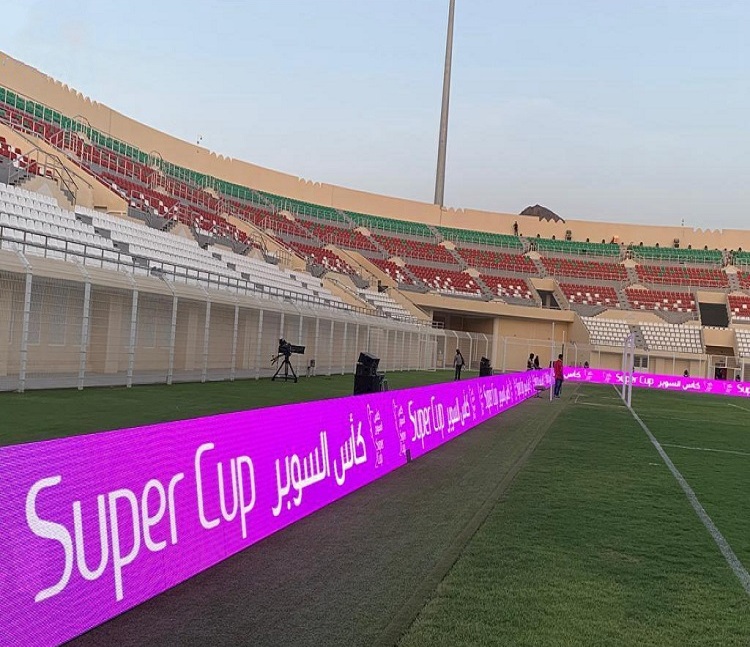
Event organizers also appreciate how quick and easy LED displays for live events are to install and disassemble—especially for temporary events. Most event-specific LED panels for live events are lightweight and use magnetic or quick-lock connections, so a small team of technicians can set up a large live event LED screen in just a few hours. They also work with standard truss mounting systems, which are common in event venues, reducing the need for custom rigging. Compare that to projectors, which require careful alignment, screen hanging, and extensive cable management, or LCD video walls, which have fixed panel sizes and take much longer to assemble. For one-day festivals, pop-up concerts, or roadshows—where setup and teardown times are tight—this efficiency of LED displays for live events can save organizers time, money, and stress.
Real-time content control is another advantage that sets LED displays apart for live events. These screens support low-latency signal transmission (measured in milliseconds), so content can sync perfectly with on-site activities. For conferences, this means real-time display of speaker slides, live subtitles, and audience Q&A or poll results—keeping attendees engaged and informed. For sports games, it allows instant updates of scores, replays, player stats, and close-ups of the crowd. For concerts, it lets production teams sync screen visuals with music, stage lighting, and the performer’s movements, creating a cohesive sensory experience. LED displays also support multiple signal inputs—including HDMI, SDI, 5G, and Wi-Fi—making it easy to switch between pre-recorded videos, live footage, and static graphics on the fly. This flexibility means event teams can adapt the content to the moment, whether it’s a last-minute announcement or a spontaneous crowd reaction.
Over the long run, LED displays are also more cost-effective and durable than traditional options—especially for multi-day or recurring events. LED technology uses less power than LCD video walls or projectors with high-wattage lamps, which reduces electricity costs and the need for large power supply equipment. This is a huge plus for outdoor venues where power access might be limited. LED panels also have a long lifespan—typically 100,000 hours of continuous use—and are protected by tempered glass or plastic masks, making them resistant to accidental bumps or scratches during setup and use. This durability reduces the risk of equipment failure, which could disrupt the event and lead to costly repairs or replacements.
Finally, LED displays ensure a consistent viewing experience for every attendee, thanks to their wide viewing angles. Most professional models offer horizontal and vertical viewing angles of 160° to 170°—some even up to 180°—which means the screen content remains clear and color-accurate no matter where the audience is sitting. Whether someone is in the front row, the back row, or off to the side, they’ll get the same high-quality visual experience. This eliminates the “blind spots” that plague LCD screens, which often have narrow viewing angles that cause colors to fade or images to distort when viewed from the sides. For large venues like stadiums or concert halls, where thousands of people are in attendance, this consistency is key to keeping everyone engaged.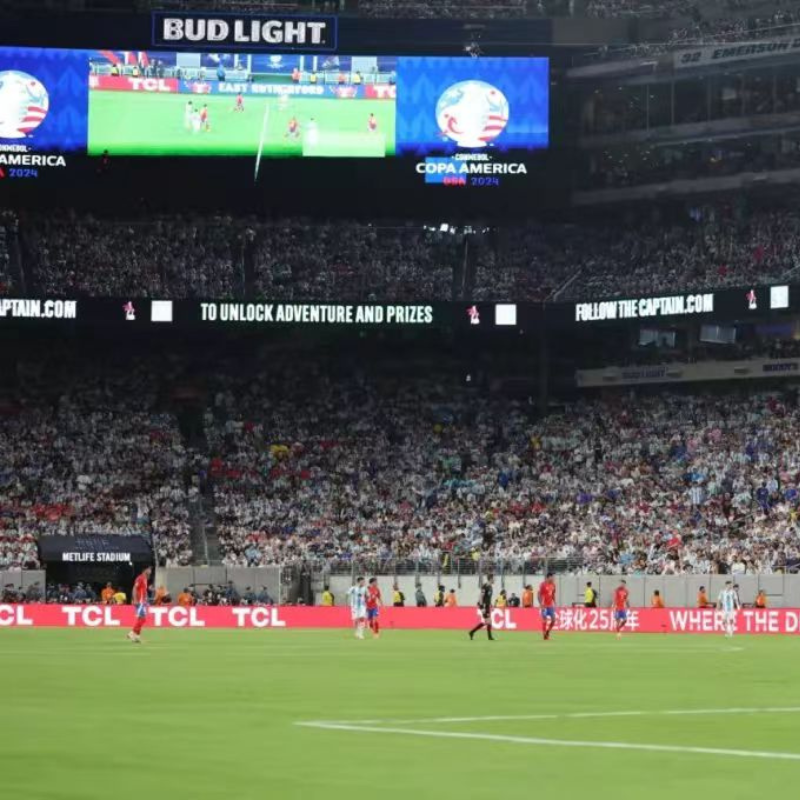
Many LED displays also offer scalable brightness and unified color calibration, which further enhances their versatility. Brightness can be adjusted seamlessly to match the venue’s lighting conditions—lower for indoor night concerts, higher for outdoor daytime events—balancing visual impact with energy efficiency. Color calibration ensures that every module on the screen displays the same colors and brightness, avoiding the “color block” effect that can happen with mismatched LCD panels. This consistency is especially important for brand-focused events, where maintaining accurate brand colors is critical.
As live events become more immersive and interactive, LED displays are also evolving to meet these needs. With the addition of touch technology, sensors, 5G, and AI, they can be transformed into interactive screens that encourage audience participation. For example, festivals might use touch-enabled LED walls as photo booths or wish walls, where attendees can post messages or photos. Immersive concerts or themed exhibitions might use 360° LED surround screens to create a “metaverse-like” environment that wraps around the audience, pulling them deeper into the experience.
In short, LED displays have become the standard for live events because they’re designed to solve the unique challenges of live production. They adapt to any venue or lighting condition, offer endless creative flexibility, deliver smooth real-time visuals, are quick to set up and take down, and provide a consistent experience for every attendee. Whether you’re organizing a small corporate conference or a large-scale international sports game, LED displays can elevate the event’s visual quality, simplify operations, and keep your audience engaged—all while being cost-effective and durable over time.