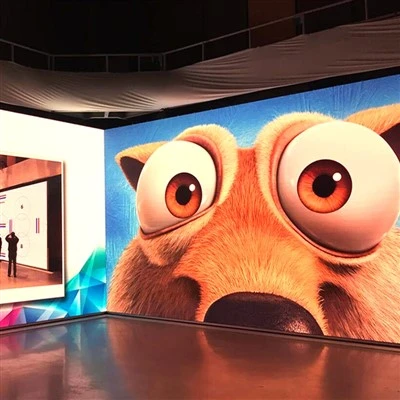

The primary application of LED modules is the assembly of various types of LED displays. By splicing multiple modules together in specific dimensions and arrangements, displays of varying sizes and resolutions can be created, serving a wide range of settings such as commercial advertising, stage performances, sports venues, conference rooms, shopping malls, and public information systems. LED modules are categorized into indoor and outdoor types based on their operating environments; indoor modules prioritize display quality, color accuracy, and image detail, whereas outdoor modules require high brightness alongside robust waterproofing, dustproofing, and environmental durability. Thanks to their standardized design, individual damaged modules can be replaced directly in the event of a localized fault, simplifying maintenance.
In the realms of commercial promotion and information display, LED modules meet diverse needs for visual communication. For instance, shopping malls, retail stores, and commercial plazas use LED displays to broadcast product advertisements, brand promotions, and sales events; transportation hubs utilize them to convey traffic updates, announcements, and public notices; and corporate offices and schools employ them to display meeting content, notifications, and event details. Unlike traditional static billboards, LED module-based displays can show dynamic video, images, and text, with content easily updated via control systems, offering superior flexibility. Furthermore, multiple LED displays can be managed through a unified control system, making them ideal for large-scale information dissemination.
As LED display technology advances, the scope of LED module applications continues to expand. In stage productions and live performances, modules can be configured into curved, irregular, or floor-tile displays; when integrated with lighting, sound, and stage machinery, they create rich, immersive visual effects. In sports venues, they form scoreboards, perimeter displays, and live-action screens to provide spectators with real-time match information. In architectural decoration, transparent and flexible LED modules are applied to glass facades, commercial storefront windows, and uniquely shaped display structures. Characterized by their modularity, ease of installation, and simple maintenance, LED modules can be configured and designed to suit various scenarios, offering immense potential for LED display applications.