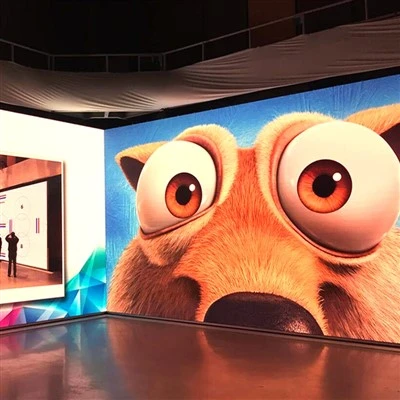

Creative LED displays offer distinct advantages in terms of energy efficiency. LEDs are inherently high-efficiency light-emitting components; for a given visual output, energy consumption can be reduced by intelligently controlling brightness. Screen brightness can be adjusted-either automatically or manually-based on ambient lighting conditions; this ensures image clarity during the day while lowering brightness at night to prevent unnecessary energy waste. Furthermore, creative LED displays often feature a modular design, allowing specific display areas to be activated according to actual needs rather than keeping the entire screen running at high brightness at all times. Energy consumption during long-term operation can be further minimized through smart brightness regulation, scheduled power controls, and optimized content display settings.
Creative LED displays are also evolving toward lighter, modular, and more maintainable designs. The display unit typically consists of LED beads, PCBs, metal structural elements, plastic components, and power/control units; structural optimization allows for a reduction in unnecessary material usage. Modular design enables targeted repairs or replacements of specific damaged modules, power supplies, or control components-eliminating the need to replace the entire display and thereby reducing electronic waste. Certain structural materials can be recycled and reused; proper dismantling and sorting at the end of the device's service life help mitigate the environmental impact of discarded electronics.
The environmental performance of creative LED displays is also evident in their service life and maintenance requirements. Effective thermal management designs lower operating temperatures for LED beads and electronic components, preventing performance degradation caused by overheating and thus extending the product's lifespan. Routine maintenance-such as regular cleaning, inspection of power and signal lines, and timely replacement of faulty parts-reduces resource consumption associated with equipment damage and the need for repeat purchases. Additionally, the design and manufacturing processes should prioritize environmentally friendly materials and ensure the proper recycling of electronic components like LED beads, circuit boards, and power supplies. Overall, the environmental benefits of creative LED displays extend beyond low power consumption to encompass material utilization, product longevity, maintenance practices, and end-of-life disposal; a holistic approach considering the entire lifecycle is essential to achieving true energy efficiency and environmental sustainability.