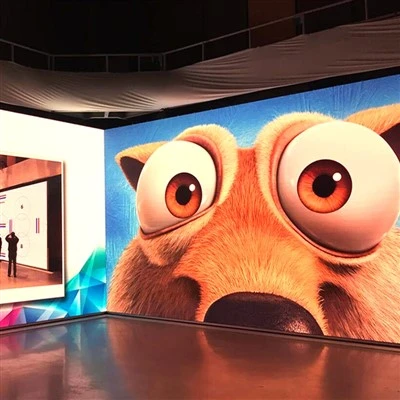

The primary function of LED display screens in sports venues is to present real-time match information and live footage to the audience. In venues such as football stadiums and basketball arenas, these screens display scores, game time, team details, athlete profiles, and event announcements, keeping spectators up to date with the match's progress. Beyond text, the screens can connect to live cameras to broadcast exciting highlights and close-ups of athletes in real-time, ensuring that spectators seated far from the action can still clearly follow the game. Large venues can also centrally control multiple LED screens, ensuring that audiences in different areas receive comprehensive information.
LED screens in sports venues also serve advertising and commercial display purposes. During the event, they can broadcast sponsor advertisements, brand promotional videos, and event information in accordance with the schedule. Unlike traditional static billboards, LED screens allow for flexible content updates based on time and the flow of the game; a single screen can cycle through multiple advertisements, thereby maximizing the utilization of the venue's advertising resources. Distinct advertising content and schedules can be programmed for the pre-game period, halftime, and post-game sessions. Furthermore, the main screen, perimeter screens, and auxiliary displays can work in tandem to ensure the continuous display of match information while offering sponsors diverse promotional opportunities.
LED screens also enhance the live atmosphere and audience engagement. During the match, they can display cheering slogans, team logos, animated effects, and interactive content, working alongside lighting and sound systems to create an electrifying environment. When a goal, score, or other pivotal moment occurs, the screens can instantly display relevant footage and effects, allowing the audience to experience the game's dynamics more vividly. At major events, these screens are also used to show opening sequences, promotional videos, award ceremonies, and live broadcasts. Through their multifaceted capabilities-ranging from match information and advertising to audience interaction-LED screens have become essential visual display systems in modern sports venues.