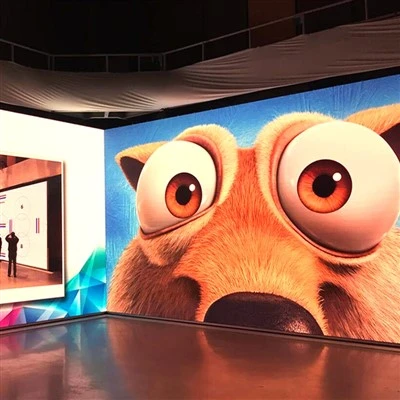

Testing electrical performance is a crucial aspect of evaluating outdoor LED advertising displays, covering factors such as supply voltage, current, power consumption, and signal transmission. Once powered on, it is necessary to verify the stability of the power supply to individual display cabinets and modules, and to check for issues such as abnormal heat generation or noise in the power supply equipment. Simultaneously, connections between signal cables, receiving cards, sending devices, and control systems must be inspected to ensure accurate video signal transmission across all areas of the screen. For large-scale LED displays, long-duration continuous operation tests are also required; by continuously playing test patterns, technicians can observe the equipment for issues such as localized blackouts, flickering, dead pixels, or control failures. These tests allow for the early detection of potential operational faults.
Waterproofing and dustproofing capabilities are critical testing parameters for outdoor displays; the sealing and protection of cabinets, modules, and connection points must be verified against design specifications. Heat dissipation performance must also be assessed by monitoring the temperatures of LED beads, power supplies, and drive circuits during prolonged operation to ensure they remain within normal ranges. For large outdoor displays, the structural integrity of the cabinets, mounting brackets, and connection components must be inspected to ensure the equipment can withstand standard wind loads and environmental fluctuations. All test results must be documented, and any identified issues promptly addressed. An outdoor LED advertising display may only enter normal operation once it meets the required standards for display quality, electrical performance, and environmental adaptability.