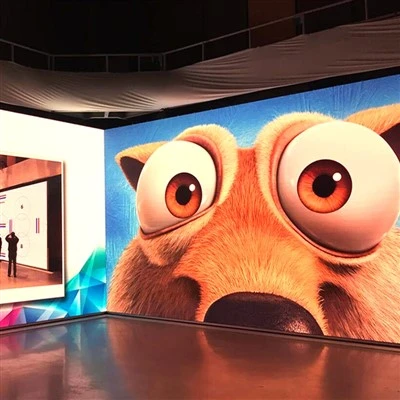

The fundamental function of outdoor LED advertising screens is the dynamic display of advertising information, capable of presenting content in various formats such as text, images, videos, and animations. Unlike traditional static billboards, LED screens allow for the content to be changed at any time to suit promotional needs, eliminating the need to physically reproduce or replace advertising graphics. Using a control system, operators can schedule different content for specific time slots-such as playing product promotional videos during the day and adjusting display settings based on ambient light levels at night. These diverse display capabilities make the advertising content more engaging and intuitive while enhancing visibility in outdoor environments.
Outdoor LED advertising screens also support multimedia playback and real-time information dissemination. They can connect to computers, media players, cameras, and network control devices to display various types of media content as required. In locations such as commercial plazas, shopping mall facades, and transportation hubs, these screens can be used to broadcast product advertisements, event details, promotional offers, and public service announcements. Network-based control enables remote content updates, removing the need for on-site manual intervention; changes to advertisements or the need to broadcast urgent information can be handled directly via the backend system, thereby increasing the efficiency of information updates.
Additionally, outdoor LED advertising screens offer features such as scheduled playback, automatic brightness adjustment, and multi-screen synchronization. Control software allows for the advance scheduling of playback times and sequences, enabling multiple advertisements to loop automatically according to a preset plan. To accommodate the significant difference in lighting conditions between day and night, the screens can automatically adjust their brightness-increasing it during the day to ensure image clarity and lowering it at night to reduce energy consumption. For large commercial districts or networks of advertising sites, multiple LED screens can be managed centrally, allowing for synchronized playback and unified control across different locations. These features enable outdoor LED advertising screens to meet commercial promotion and information dissemination needs with greater flexibility.