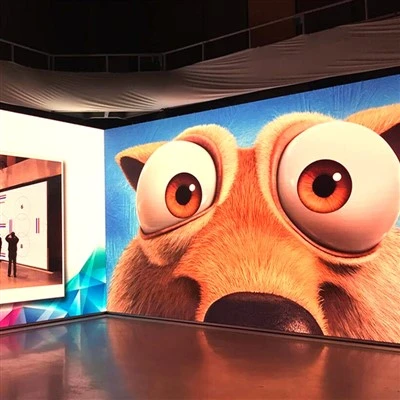


The fundamental function of indoor LED displays is to present images, videos, and text. By varying the brightness and color of the LED pixels, the screen can render diverse visual content, including high-definition video, still images, subtitles, and animations. Unlike traditional projection equipment, LED displays are self-illuminating, ensuring excellent image quality even under standard indoor lighting conditions. Parameters such as brightness, color, and contrast can be adjusted to optimize clarity based on specific usage requirements. In venues like stages, conference rooms, and exhibition halls, the display can instantly switch background visuals to match the event's content, providing the audience with clear, immediate visual information.
Indoor LED displays also offer versatile signal input and image switching capabilities, allowing them to connect to various sources such as computers, cameras, and video players. Using video processors and control systems, input visuals can be scaled, cropped, switched, and combined, enabling video signals of different formats to display correctly. During stage performances, live camera feeds can be transmitted to the LED screen in real-time, giving the audience a clearer view of the action; for conferences or events, presenters can switch between presentations, videos, and text information according to the agenda. Large-scale display systems allow for unified control of multiple screens, enabling either synchronized playback across all screens or independent display on each.
Indoor LED displays also feature real-time updates and remote control capabilities. Specialized control software allows staff to pre-edit content and make on-the-fly adjustments or switches based on the event's progress. Some systems support network-based control, enabling management via LAN or other communication methods, which reduces the need for manual on-site operation. Additionally, the control system monitors the screen's operational status; if module anomalies, signal interruptions, or other faults occur, it alerts staff so issues can be promptly addressed. Through these features, indoor LED displays not only serve as information display tools but also integrate seamlessly with stage lighting, audio, and video systems, enhancing the overall visual impact and operational efficiency of the event.