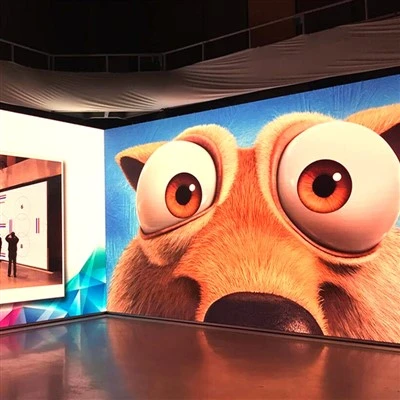


Key technical specifications for indoor LED displays include pixel pitch, screen resolution, brightness, and refresh rate. Pixel pitch-the distance between the centers of two adjacent LED pixels-is a crucial factor determining image clarity. Since indoor displays are typically positioned close to the audience, they generally utilize finer pixel pitches, such as P1.25, P1.5, P1.86, P2.0, and P2.5. A smaller pixel pitch allows for a higher pixel density within the same area, resulting in richer image detail. Resolution depends on both the physical screen size and the pixel count; generally, higher resolution enables the display of finer image details. The optimal choice is determined by balancing screen size with the intended viewing distance.
Parameters such as brightness, contrast, grayscale, and color temperature primarily dictate the display's visual performance. Indoor lighting is typically softer than outdoor lighting; consequently, indoor LED screens do not require the same high brightness levels as outdoor units, though they must remain clearly visible under standard lighting conditions. Excessive brightness can cause eye strain during prolonged viewing, while insufficient brightness may compromise image clarity. Grayscale reflects the screen's ability to render varying levels of brightness; higher grayscale levels ensure smoother, more natural transitions between light and dark areas of the image. Color temperature and color consistency influence the overall color rendering; these parameters significantly impact the final visual quality when displaying human subjects, stage backgrounds, or high-definition video.
Refresh rate, viewing angle, power consumption, and lifespan are also critical technical specifications for indoor LED displays. Refresh rate indicates how frequently the screen updates the image; a high refresh rate ensures image stability and minimizes flickering when the display is captured by a camera. The viewing angle determines the effective visibility range for the audience; venues such as indoor conference rooms, exhibition halls, and stages typically require wide viewing angles. Power consumption varies based on screen size, brightness, and operating status; energy efficiency and heat dissipation must be considered for long-term operation. Additionally, factors such as the lifespan of the LED beads, operating temperature, and operational stability all influence the display's real-world performance. Therefore, when selecting an indoor LED display, various technical parameters should be comprehensively considered based on the specific installation environment and usage requirements.