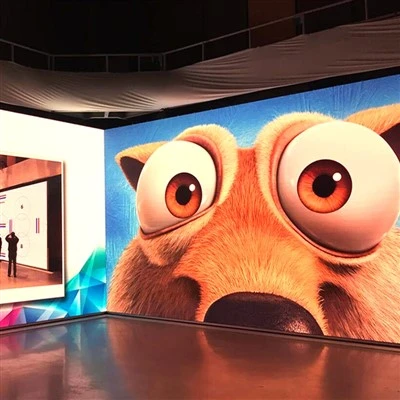

When using an indoor LED display, attention must first be paid to the power supply and installation environment. The display should be powered by a source that meets equipment specifications, ensuring a stable voltage; power lines should not be altered arbitrarily, nor should the system be overloaded. During installation, verify that the cabinets, modules, and connecting cables are securely fastened to prevent screen flickering or localized dark spots caused by poor connections. Although indoor environments are generally free from rain, installation in areas with high humidity, excessive dust, or high temperatures should be avoided. Additionally, adequate space for heat dissipation must be maintained around the screen; heat vents or air channels must not be obstructed, as overheating during prolonged operation can compromise display quality and reduce the equipment's lifespan.
During daily operation, screen brightness and usage time should be managed appropriately. Since indoor lighting conditions are relatively stable, running the screen at maximum brightness for extended periods is unnecessary; adjustments should be made based on ambient light and viewing requirements. Excessive brightness not only increases power consumption but may also cause viewer discomfort. When playing various types of video content, ensure that the input signal's resolution, format, and refresh rate match the control system specifications to avoid issues such as image distortion, flickering, or stuttering. If the display exhibits localized blackouts, abnormal flickering, or color irregularities, stop using it immediately and inspect the relevant wiring and equipment; do not attempt to disassemble or replace internal components while the power is on.
Cleaning and maintenance are equally important. After a period of use, dust may accumulate on the surface of the LED beads and inside the cabinets; excessive dust accumulation can impair heat dissipation and display quality. Therefore, regular cleaning and inspections should be performed based on the operating environment. Use soft, dry tools or products designed for electronic equipment when cleaning the screen; avoid touching LED beads directly with sharp objects and do not use excessive liquid for wiping. If the display is not used for an extended period, follow the manufacturer's instructions to disconnect the power and implement dust-protection measures. For large LED displays, regularly inspect the status of power supplies, signal cables, connectors, cooling systems, and mounting structures to promptly identify and resolve any issues. Proper operation and regular maintenance help minimize equipment failures and ensure the indoor LED display maintains stable performance.