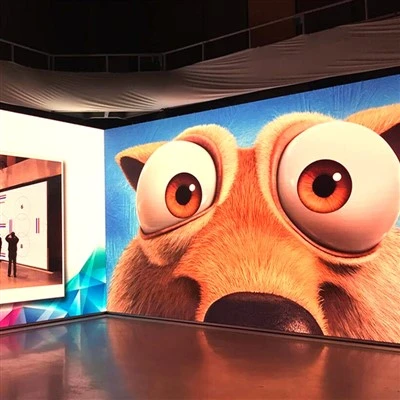


The core specifications of stage LED displays primarily include pixel pitch, resolution, brightness, and refresh rate. Pixel pitch refers to the distance between the centers of two adjacent pixels; it directly affects the fineness of the displayed image. A smaller pixel pitch allows for a higher pixel density on a screen of the same size, resulting in greater clarity when viewed from a close distance. Resolution indicates the total number of pixels the screen can display; generally, higher resolution allows for richer detail. When selecting a stage LED display, one must consider factors such as stage size, audience viewing distance, and the screen's installation location to determine the appropriate pixel pitch and resolution-higher specifications do not necessarily equate to the best fit for a specific application.
Brightness is another critical specification for stage LED displays. Since stage environments often feature intense lighting, insufficient screen brightness can make the display susceptible to ambient light interference, resulting in poor image clarity. Consequently, brightness requirements differ between indoor and outdoor screens; outdoor displays typically require higher brightness levels to remain visible in natural light. Other important parameters include contrast ratio, grayscale, and color performance. Higher grayscale levels allow for smoother transitions between light and dark areas, while excellent color reproduction ensures that subjects, backgrounds, and video content appear natural. These parameters work in concert to determine the display's final visual quality.
Refresh rate, viewing angle, and lifespan are also technical specifications that cannot be overlooked. Refresh rate indicates how many times the screen updates the image per second; a higher refresh rate ensures greater stability for dynamic visuals-reducing issues like flickering-which is particularly important for stage photography and live broadcasting. Viewing angle determines the effective visibility range for the audience; stage setups usually require wide viewing angles to ensure that viewers positioned in various locations can see the display clearly. Additionally, factors such as the lifespan of the LED beads, the screen's ingress protection (IP) rating, and operational stability impact long-term performance. Therefore, selecting the right display requires a comprehensive evaluation of all specifications rather than focusing on a single metric.