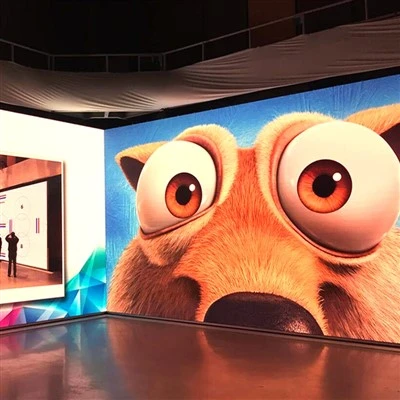

When using an indoor LED display, the first step is to adjust the screen brightness appropriately based on the environment. Indoor lighting conditions vary throughout the day; excessive brightness can cause eye strain during prolonged viewing and increase power consumption, while insufficient brightness may result in a lack of image clarity. Therefore, brightness should be adjusted according to indoor lighting levels and the audience's viewing distance. When playing video content, select source material that matches the screen's resolution-prioritizing high-definition files with the correct aspect ratio-to minimize issues like stretching or distortion and ensure a natural visual experience.
Before content playback and system operation begin, verify that video signals, playback devices, and control systems are correctly connected. Conduct a pre-operation test of the entire display system to check for image integrity, color accuracy, and any inconsistencies-such as brightness variations or synchronization issues-between individual display cabinets. If multiple videos or live feed switching are required, configure the playback sequence and transition methods in advance according to the program schedule to prevent operational errors during the event. For scenarios involving live camera feeds, adjust the screen's brightness and refresh rate to match the camera output, minimizing flicker or moiré patterns to ensure high-quality visuals for both the live audience and the recorded footage.
Routine maintenance is essential for the reliable operation of indoor LED displays. Regularly inspect power cables, signal cables, connectors, and cabinet mounting structures, addressing any loose connections or anomalies promptly. Since dust tends to accumulate on the screen surface, regular cleaning is necessary; however, avoid touching LED pixels with sharp objects or allowing large amounts of liquid to penetrate the screen's interior. Monitor heat dissipation during prolonged operation, ensuring that ventilation vents remain unobstructed and that no items impeding airflow are stacked near the equipment. If issues such as localized dark spots, flickering, or abnormal colors occur, cease operation immediately and inspect the relevant wiring and control equipment; do not attempt to disassemble live electrical components yourself. Proper parameter configuration, standardized operation, and regular maintenance effectively enhance both the visual quality and operational stability of indoor LED displays.